Expert Commercial Builds for Complete Property Overhauls
Revolutionize Your Area With Skilled General Contractor Expertise: Superior Craftsmanship, Trustworthiness, and Attention to Detail
Transforming a space demands thoughtful consideration and expertise. General contractors provide a wealth of experience in coordinating projects, navigating regulations, and guaranteeing quality craftsmanship. Their emphasis on dependability and precision allows for a seamless renovation experience. Understanding the intricacies of hiring the right contractor can substantially impact the outcome. Yet, many miss essential factors that contribute to successful transformations. What should one focus on to achieve the desired objectives?
Key Reasons You Should Hire an Qualified General Contractor
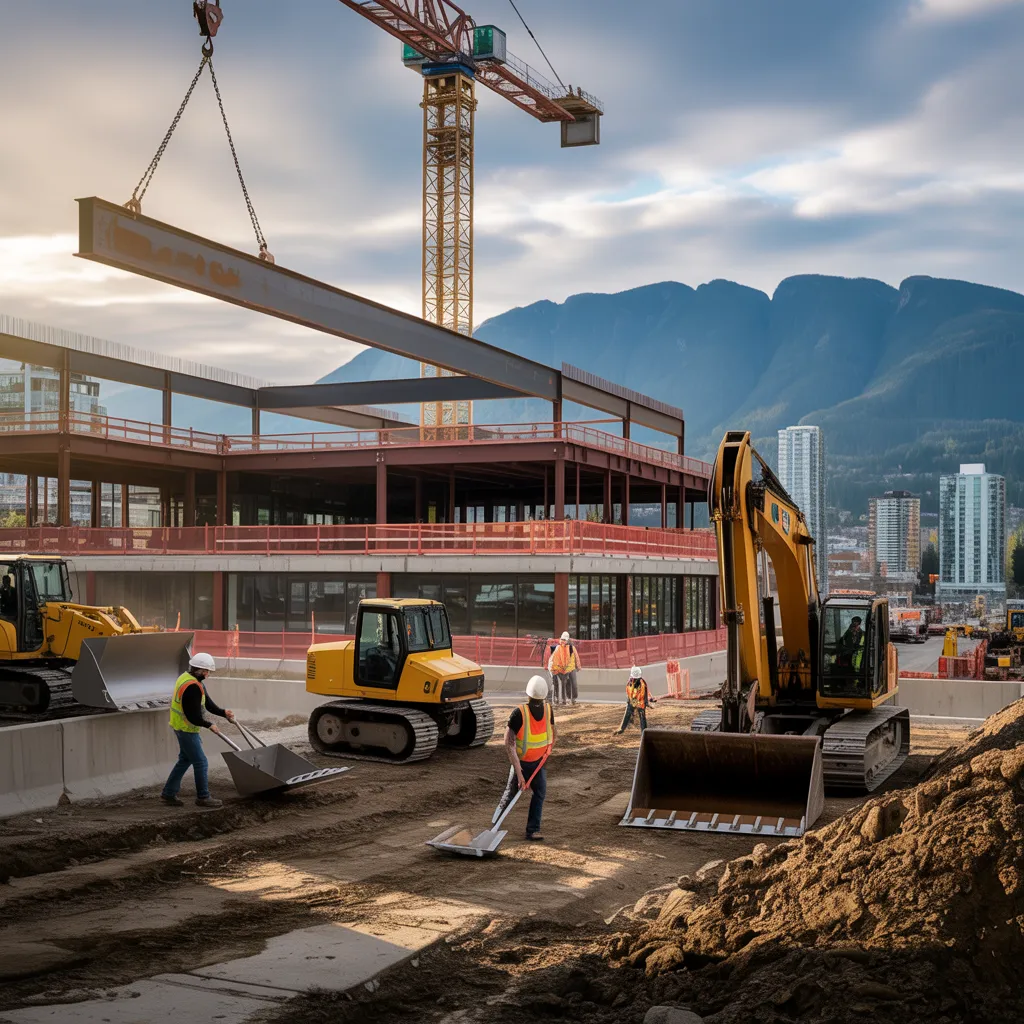
Many residential and commercial property owners face cases that demand the knowledge of a general contractor. Renovation projects often prompt the call for a experienced professional, specifically when structural modifications or substantial remodeling is needed. General contractors carry the expertise to work through area building codes and standards, ensuring that work adhere to regulatory standards.
Additionally, when pursuing large-scale construction, such as commercial spaces or multi-room renovations, a general contractor can successfully manage project timelines, budgets, and subcontractors. This coordination prevents costly delays and makes certain that North Vancouver General Contractor all aspects of the project align seamlessly.
Additionally, some property holders may lack the needed skills or time to perform complex tasks, making a general contractor an essential asset. From early planning to final inspections, their knowledge is critical in achieving a successful outcome, therefore transforming spaces with efficiency and effectiveness.
Why Quality Matters in Construction and Renovation
Quality serves as a cornerstone in construction and renovation projects, immediately influencing the lifespan and security of structures. Quality materials and expert craftsmanship ensure that buildings can handle environmental stressors, minimizing the risk of future breakdowns or repairs. A commitment to quality also boosts aesthetic appeal, enhancing the overall value of the property.
Moreover, upholding high standards during construction reduces the likelihood of code violations and legal problems, promoting a smoother project completion. Quality workmanship showcases the professionalism and expertise of the general contractor, fostering trust between the contractor and the client.
Committing to quality not only fulfills immediate needs but also advances long-term goals, ensuring that spaces remain practical and inviting for years to come. Ultimately, the emphasis on quality in construction and renovation is vital for creating sturdy, safe, and visually appealing environments that stand the test of time.
How Dependability Improves Your Renovation Experience
Consistency holds a key position in improving the remodeling experience by guaranteeing consistent project timelines and fostering dependable communication. When clients can trust their general contractors to meet deadlines, it reduces stress and builds confidence in the process. Additionally, transparent and honest communication practices further strengthen the relationship, making the entire remodeling process more satisfying.
Steady Work Delivery Dates
When property owners begin a remodeling project, the importance of consistent project timelines is essential, as they represent a cornerstone for a seamless renovation experience. Reliable contractors create clear schedules, outlining each phase of the project and defining realistic completion dates. This predictability enables homeowners handle their expectations and prepare for any necessary adjustments in their daily lives. Additionally, consistent timelines enable contractors to distribute resources efficiently, preventing delays and ensuring that tradespeople are available when needed. When projects follow established timelines, the likelihood of budget overruns decreases, increasing overall satisfaction. Ultimately, reliable scheduling cultivates a sense of trust and professionalism, permitting homeowners to prioritize their vision rather than logistical concerns during the remodeling process.
Dependable Interaction Standards
Strong communication is a critical aspect of the remodeling process, directly linked to the reliability developed through consistent project timelines. When a general contractor commits to reliable communication practices, clients benefit from increased transparency and peace of mind. Frequent updates, transparent expectations, and open channels for feedback foster a collaborative environment, empowering homeowners to communicate concerns and ask questions throughout the project. This proactive approach not only limits misunderstandings but also establishes a strong relationship between the contractor and the client. Eventually, reliable communication strengthens trust, ensuring that the remodeling experience is trouble-free and fulfilling. By maintaining these practices, general contractors can considerably increase client satisfaction, leading to successful projects and potential referrals.
Precision During Execution: The Path to Flawless Outcomes
Reaching flawless outcomes in construction projects copyrights on the precision of execution. When general contractors meticulously plan each phase of a project, they guarantee that every detail is managed, from measurements to material selection. This meticulous approach minimizes errors and enhances overall quality.
Utilizing cutting-edge tools and techniques, expert contractors can provide precise results that match client specifications and industry standards. Precision also encompasses coordination among subcontractors, making sure all parties function together towards a common goal.
Additionally, compliance with strict deadlines and budgets further demonstrates the importance of precision in execution. Any variance can lead to significant delays and reductions in quality. By focusing on precision, general contractors establish a reliable reputation, resulting in satisfied clients and repeat business. Ultimately, the focus on flawless execution not only strengthens the finished product but also bolsters trust in the contractor's capabilities.
Primary Services From Qualified General Contractors
Professional general contractors provide a comprehensive range of services that are vital for the successful completion of construction projects. These professionals handle the entire process, from initial planning and design to the final walkthrough. Key services include project management, where they coordinate schedules, budgets, and resources to ensure timely delivery. They also provide expertise in securing necessary permits and adhering to local regulations.
In addition, expert general contractors oversee subcontractors, seeing to it that specialized tasks such as plumbing, electrical work, and carpentry are completed to high standards. They undertake regular site inspections to copyright quality control and handle any issues promptly. In addition, these contractors present valuable recommendations on material selection and sustainable practices, improving both functionality and aesthetics. Ultimately, their diverse skills and knowledge considerably contribute to the seamless execution of construction projects, ultimately transforming spaces with effectiveness and efficiency.
Key Factors to Consider When Hiring a General Contractor
When you're hiring a general contractor, multiple critical factors should be considered to secure a successful project. Expertise and experience, together with correct licenses and insurance protection, are essential signs of a contractor's credibility. Additionally, excellent communication capabilities can considerably impact the total effectiveness and completion of the construction process.
Experience And Expertise
How does one go about choosing the ideal general contractor for their construction needs? Assessing the experience and expertise of potential candidates is crucial. An experienced contractor ought to possess a demonstrated history of projects comparable to what the client envisions. Examining their past projects can reveal their skill level and design aesthetic. The contractor's tenure in the field should also be evaluated; years of service usually reflect trustworthiness and proficiency. Additionally, obtaining feedback and recommendations from past clients can provide important insights into the contractor's professionalism, responsiveness, and ability to resolve issues. In the end, choosing a contractor with substantial experience guarantees the project receives proper expertise and meticulous care.
Insurance and Licensing
The licensing and insurance of a general contractor are crucial aspects to examine, as they deliver assurance regarding compliance and protection. A properly licensed contractor exhibits conformity to local regulations and industry standards, guaranteeing quality work. Property owners should confirm the contractor's license via appropriate state or local agencies to validate its authenticity.
Having adequate insurance is just as important, as it safeguards both the contractor and the homeowner from possible risks. A reputable contractor should maintain general liability insurance, which covers accidents and damages that may arise during the project. Furthermore, workers' compensation insurance is critical to guard against injuries experienced by workers on-site. Before hiring, homeowners should request proof of both licensing and insurance to verify they are making a sound decision.
Strong Communication Capabilities
Strong communication skills are crucial for a successful partnership with a general contractor, as they facilitate clear expectations and smooth project management. When hiring a general contractor, it is crucial to assess their ability to convey information effectively. This includes not only clear verbal communication but also the skill to listen actively to client concerns and feedback. A competent contractor should provide consistent updates on project progress, timelines, and any potential issues that may occur. They should be receptive to questions and willing to discuss options in depth. Furthermore, transparency regarding costs and changes is vital. By emphasizing communication, clients can ensure that their vision is accurately executed, leading to a more favorable outcome and a constructive working relationship.
The Perks of Custom Design in Your Space Makeover
While many homeowners may settle for standard designs, the genuine value of an area makeover exists in its tailored approach. Tailoring a space to individual preferences not only enhances aesthetic appeal but also improves functionality. Customized designs allow homeowners to incorporate personal style, making certain the room showcases their individual style and daily habits.
In addition, customization can address specific needs, such as maximizing storage or enhancing layout for improved flow. This focused approach leads to a more practical use of space, ultimately leading to greater satisfaction. Customization also fosters emotional connections to the home, building an environment that feels remarkably individualized.
Additionally, working with a general contractor proficient in customization can streamline the remodeling process. Their proficiency guarantees that all elements are smoothly integrated, from materials to finishes, producing a cohesive design. In the end, customization turns a standard space into a unique sanctuary that aligns with the homeowner's vision.
Advice for Clear Communication With Your Contractor
Effective remodeling projects depend on both customization and transparent communication between homeowners and contractors. Beginning with a clear articulation of vision and expectations helps homeowners establish effective dialogue. Such transparency enables contractors to grasp the full scope and particular needs of the project. Regular check-ins, whether through meetings or brief phone calls, allow both parties to address any concerns promptly.
Homeowners should also be open to feedback, as contractors usually possess valuable insights drawn from their experience. Leveraging visual aids, such as mood boards or sketches, can additionally improve understanding, guaranteeing that both parties continue to be on the same page throughout the project.
In addition, preserving a written record of correspondence, comprising agreements and changes, is vital for accountability. Lastly, expressing recognition for the contractor's efforts can nurture a positive working relationship, encouraging collaboration and eventually leading to a successful transformation of the space.
Questions & Answers
What Indicates That I Need a General Contractor?
Assessing the need for a general contractor requires assessing project complexity, required permits, and specialized skills. Homeowners should evaluate their budget, timeline, and experience level, as well as the project's magnitude and potential challenges.
What Are the Common Project Timelines for Renovations?
Standard renovation timelines for renovations vary significantly, typically ranging from a few weeks for small updates to several months for comprehensive remodels. Considerations affecting duration include scope of work, permits needed, and contractor availability.
Do All Types of Renovations Require Permits?
Permits are typically needed for the majority of renovations, specifically those that include structural modifications, electrical work, or plumbing. Nonetheless, small cosmetic updates may not need permits, subject to local codes and specific project details.
How Do Contractors Tackle Unforeseen Issues During a Project?
Contractors address unexpected issues by assessing the problem, coordinating with clients, and implementing solutions. They may revise timelines and budgets, ensuring that the project remains on track while maintaining clear communication throughout the renovation project.
What Are the Available Payment Methods for Contractor Services?
Contractors generally provide multiple payment choices, including cash, credit cards, checks, and financing plans. Some may request initial deposits, while others enable staged payments throughout the work, offering flexibility for clients with diverse financial conditions.